Everything You Should Know Before Getting Dental Crowns

A dental crown sounds simple enough, a cap placed over a damaged tooth, but the decision behind it is rarely simple. By the time most people hear the word "crown" in a dental office, they are already dealing with a cracked tooth, a large failing filling, a root canal, or a tooth that has worn down further than they realized. At that point, the question is not just what a crown is. The real questions are whether you need one, what kind makes sense, how long it should last, what the process feels like, and what can go wrong if the planning is poor.
Dental Crowns are one of the most common restorative treatments in dentistry, yet they are also one of the most misunderstood. Some patients think a crown is a permanent fix that makes a tooth "as good as new." Others worry it means the tooth is beyond saving. Neither view is quite right. A crown can be an excellent way to preserve a tooth for many years, but it works best when it is chosen for the right reason and maintained properly afterward.
What a crown actually does
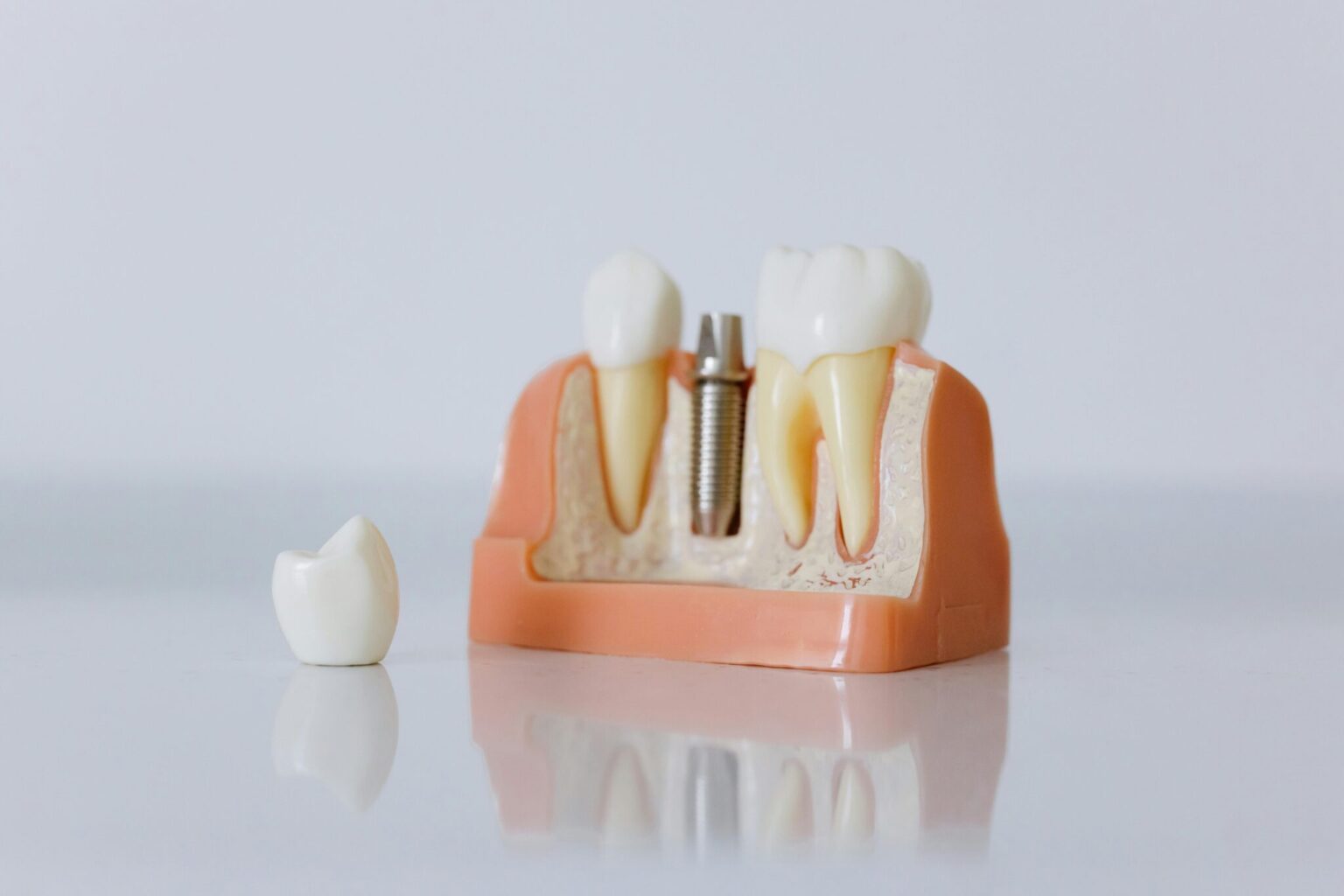
A crown covers the visible portion of a tooth above the gumline. It restores shape, strength, and function, and often improves appearance at the same time. The crown itself does not heal the tooth underneath. It protects and reinforces what remains.
That distinction matters. If a tooth has a deep crack, a large cavity, or extensive wear, the crown helps distribute biting forces more evenly so the remaining tooth structure is less likely to fracture. If a tooth had a root canal, the crown often serves as a protective shell because root canal treated teeth can become more brittle over time. If a tooth is badly broken down from an old filling, the crown can replace what is missing in a way that a simple filling no longer can.
In everyday practice, a crown is often the difference between keeping a compromised tooth and losing it. Still, not every damaged tooth needs one. Sometimes a conservative filling or an onlay is enough. The best dentists do not rush to crown every tooth that looks imperfect. They weigh how much healthy tooth remains, where the tooth sits in the mouth, how heavy your bite is, whether you grind your teeth, and how likely a smaller restoration is to fail.
When a crown is usually recommended
There are familiar patterns that tend to lead to crowns. A back molar with a large old silver filling that has begun to leak around the edges is a classic example. Over time, repeated chewing can leave only thin walls of natural tooth. Replacing that with another large filling may not provide enough support.
A tooth that has had root canal treatment is another common case. The nerve has been removed, but the tooth still needs to withstand years of chewing. On front teeth, that may sometimes be managed conservatively depending on how much structure remains. On molars and premolars, a crown is often the safer long term option.
Cracks are where judgment becomes especially important. Some cracks are superficial and can be monitored. Others are the kind that produce sharp pain when biting down or when releasing pressure. If the crack is within the restorable part of the tooth, a crown may help hold the tooth together. If the crack extends too far below the gum or into the root, the tooth may not be savable. Patients are often frustrated by this gray zone, but it is real. Cracked teeth do not always announce their full extent until treatment begins.
Cosmetic reasons can also lead to crowns, though this is where careful planning matters most. A tooth with severe discoloration, unusual shape, or major structural damage may be a reasonable candidate. A healthy tooth with minor aesthetic concerns often should not be aggressively reduced just to place a crown when veneers, bonding, or no treatment may be more appropriate.
Situations where a crown may not be the best first answer
Good dentistry is not about placing the biggest restoration possible. It is about preserving natural tooth structure when feasible. A small cavity does not need a crown. A moderate defect may be treatable with a bonded filling or ceramic onlay. In younger patients especially, preserving enamel and dentin can pay off for decades.
There is also the issue of prognosis. If a tooth has severe bone loss, advanced gum disease, a deep vertical fracture, or decay that extends too far below the gumline, a crown may not solve the underlying problem. A beautifully made crown on a hopeless tooth is still a poor investment.
This is why diagnosis matters more than the crown material or the technology used to make it. If the foundation is weak, the crown cannot rescue it indefinitely.
The main types of crowns and how they differ
Crown materials vary, and each one comes with trade-offs. There is no single best option for every patient or every tooth.
Porcelain fused to metal crowns were once the standard for many cases. They can be durable and functional, but they may show a dark line near the gums over time, especially if the gums recede. For highly visible teeth, that can be a drawback.
All ceramic crowns, including lithium disilicate options, are valued for their appearance. They can look very natural because they transmit light in a way that resembles enamel. They are often a strong choice for front teeth and selected back teeth, depending on bite forces and the amount of tooth reduction available.
Zirconia crowns have become very popular because they combine strength with decent esthetics. In patients Omni Dental Specialty Dental Crowns who clench heavily, zirconia is often part of the conversation. The caveat is that strength alone does not guarantee success. A crown that is too hard, too bulky, or poorly adjusted can create wear on opposing teeth or feel uncomfortable in the bite.
Gold crowns, while less common today for obvious cosmetic reasons, still have a strong reputation among experienced restorative dentists. They can fit extremely well, require less removal of tooth structure in some cases, and wear in a tooth friendly way. For a back molar that never shows when you smile, some clinicians still consider gold one of the smartest long term materials available.
Choosing among these materials depends on the location of the tooth, how you bite, your cosmetic goals, your budget, and the skill of the dentist and laboratory. A superbly designed crown in a sensible material will usually outperform a trendy material chosen for the wrong case.
How the procedure usually unfolds
For many patients, the anxiety comes from not knowing what will happen in the chair. The process is more predictable than people expect.
At the preparation appointment, the tooth is numbed, cleaned up, and reshaped to create room for the crown. If there is decay or a failing filling, that is removed first. Sometimes the dentist must rebuild part of the tooth with a core material before shaping it. If too little tooth remains above the gumline, additional procedures may be discussed, such as crown lengthening or, in some situations, orthodontic extrusion. Those are not routine for every case, but they matter when the tooth is severely broken down.
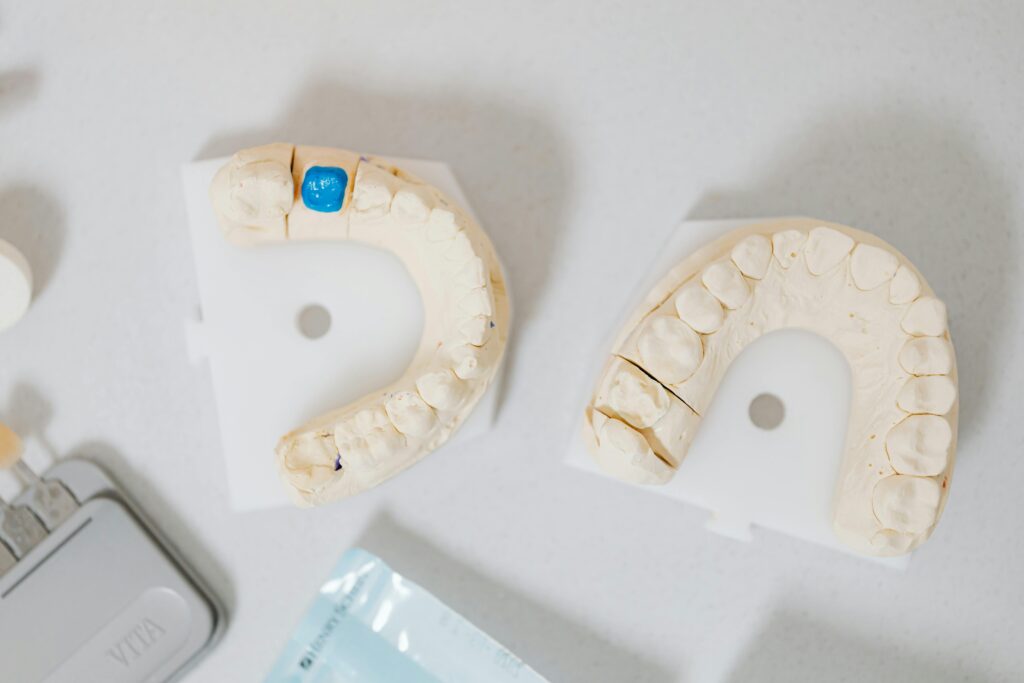
Once the tooth is prepared, the dentist takes an impression or digital scan. A temporary crown is usually placed if the final crown will be made by an outside lab. Temporaries matter more than many people realize. A rough, leaky, or poorly fitting temporary can lead to gum irritation, tooth sensitivity, or movement of the tooth before the final crown is delivered.
At the second visit, the temporary is removed, the final crown is checked, and the fit, color, contact points, and bite are evaluated. That bite check is not a throwaway step. A crown that feels slightly high can cause days of soreness and, in some cases, significant pain when chewing. A good dentist will make careful, incremental adjustments and ask specific questions about how the tooth feels under pressure.
Some offices offer same day crowns using in house scanning and milling. This can be convenient, and in the right hands it can work very well. It is not automatically better. Same day treatment removes the need for a temporary and extra visit, but the quality still depends on diagnosis, preparation design, scanning accuracy, milling limitations, and finishing skill. Convenience is valuable, but it should not be the only deciding factor.
What it feels like afterward
A new crown should not feel foreign for long. Most patients adapt within days. Mild sensitivity to cold or pressure can happen for a short period, especially if the tooth was already irritated before treatment. Gum tenderness around the tooth is also common after the preparation visit.
Pain that intensifies instead of improving deserves attention. Persistent temperature sensitivity, throbbing, pain on biting, or the sense that the tooth hits first when you close are signs that something may need adjustment. Sometimes the bite is simply high. Sometimes the nerve inside the tooth has become inflamed enough that a root canal is eventually needed, even if one was not required initially. This does not always mean the crown was done incorrectly. Deep decay, cracks, and extensive old restorations can leave a tooth with limited biological reserve.
There is a phrase patients hear that can be misleading, "let's watch it." Watching can be reasonable for short term sensitivity. It should not become an excuse to ignore obvious warning signs for months.
How long crowns really last
People often ask for a single number, but lifespan depends on too many variables for that. Many crowns last 10 to 15 years or longer. Some fail much earlier. Some remain serviceable for decades. The difference usually comes down to a few practical factors: how much healthy tooth was left at the start, the precision of the fit, your oral hygiene, your bite forces, whether you grind at night, and whether decay develops at the margin where the crown meets the tooth.
Cement does not make a crown invincible. Teeth under crowns can still get cavities, especially near the gumline if plaque control is poor. Gum recession can expose root surfaces that were never covered. Heavy clenching can lead to porcelain chipping, loosened cement, or fractures in the underlying tooth.
This is why a night guard is often recommended for patients with signs of grinding. Some people resist it because they assume it is optional or merely protective of the crown itself. In reality, it protects the whole system, crowns, natural teeth, implants, and jaw joints included.
Warning signs that deserve a closer look
Most failing crowns do not fail dramatically overnight. They send smaller signals first.
- pain when biting or releasing pressure
- food packing between the crowned tooth and its neighbor
- a bad taste or odor around the tooth
- visible darkening at the margin, especially near the gumline
- a crown that feels loose, rough, or suddenly different
Any one of these may have a simple explanation, but none should be ignored. A loose crown can sometimes be recemented if caught early. If decay has developed underneath, the treatment becomes more complicated.
Cost, and why price alone can mislead
The cost of a crown varies widely by region, office, material, and complexity. A straightforward crown on a stable tooth is different from a crown that requires a build up, root canal, gum treatment, or replacement of an old crown with decay underneath. Insurance may help, but coverage limits and waiting periods often surprise patients.
It is tempting to shop crowns as if they were identical retail products. They are not. The difference between a well planned crown and a rushed one is rarely visible on day one. It shows up later in comfort, gum health, longevity, and whether the tooth remains restorable if problems arise.
That does not mean the most expensive office is automatically the best. It means you should ask what is driving the recommendation. Is the tooth cracked? How extensive is the existing restoration? Are there alternatives? What material is being used, and why? Will a lab fabricate the crown, or is it milled on site? If your dentist explains these points clearly and specifically, that is usually a good sign.
Questions worth asking before you commit
A short, direct conversation can save a lot of uncertainty later.
- Why does this tooth need a crown instead of a filling or onlay?
- What material do you recommend for this location and my bite?
- How much healthy tooth structure is left?
- What are the main risks, including the chance of needing a root canal later?
- If this crown fails in the future, what are the likely next options?
These questions are not confrontational. They are practical. Thoughtful dentists answer them easily because they ask themselves the same things during treatment planning.
The role of gum health and bite alignment
Crowns do not exist in isolation. A tooth with inflamed gums or unstable bone support may not hold up well even if the crown is technically excellent. If your gums bleed regularly when brushing or flossing, that issue needs attention before and after crown treatment. Margins placed near or below the gumline are harder to clean, and they demand better maintenance, not less.
Bite alignment also matters. A crown on a tooth that receives excessive force can become the messenger for a larger problem. It may chip, feel sore, or repeatedly come loose. Sometimes the real issue is untreated grinding, missing teeth elsewhere that shifted the bite, or an uneven chewing pattern that overloads one side.
Experienced dentists look beyond the single tooth. They check wear facets, mobility, gum condition, and the overall bite. Patients often remember the visible crown, but those background factors frequently decide whether it lasts.
Front teeth versus back teeth, different goals, different compromises
Not all crowns are trying to solve the same problem. A crown on a front tooth often lives under the scrutiny of light, lip position, and symmetry with neighboring teeth. Tiny differences in translucency, shape, and shade can matter. In these cases, photos, custom shading, and a skilled dental laboratory are often worth the effort.
Back teeth live a different life. They carry heavier forces and are asked to perform more than they are asked to impress. Strength, fit, contour, and bite harmony tend to outweigh cosmetic perfection, though appearance still matters. This is one reason patients should be cautious about blanket statements like "zirconia is best" or "all ceramic looks better." The right answer changes with the tooth.
Crowns on implants are a separate category
People sometimes use the word crown loosely to describe any artificial tooth, but a crown on an implant is not the same as a crown on a natural tooth. An implant crown sits on a titanium or ceramic fixture in the bone. It does not have a natural periodontal ligament, which means it feels force differently. The design, contacts, and maintenance considerations are distinct.
If your dentist is discussing both a crown on a natural tooth and an implant crown as alternatives, ask what makes saving the natural tooth realistic or unrealistic. Keeping a healthy natural tooth is often preferable when the prognosis is solid. At the same time, forcing repeated treatment on a tooth with a poor outlook can become more costly and more frustrating than a well planned extraction and replacement.
How to care for a crown so it lasts
A crown does not require exotic maintenance, but it does require consistency. Brush thoroughly at the gumline. Clean between the teeth every day, especially around the contact points where plaque and food collect. If you use floss, slide it gently rather than snapping it down. If you have larger spaces or gum recession, interdental brushes or a water flosser may help, depending on the area.
Regular dental exams matter because the earliest failure points are often subtle. A margin beginning to leak, a contact that traps food, or a bite change from grinding may not be obvious to you at home. Catching those issues early can mean a small adjustment instead of a new crown.
If you have been told you clench or grind, wear the night guard that was prescribed. This is one of those recommendations patients postpone until something breaks. By then, the guard feels far less optional.
A good crown should disappear into daily life
The best crowns are not the ones you think about constantly. They are the ones that let you chew comfortably, clean normally, smile without self consciousness, and forget that the tooth once caused trouble. Getting to that point depends on good diagnosis, careful material choice, precise execution, and realistic expectations.
A crown can save a tooth that might otherwise fracture beyond repair. It can also be a poor choice if used too aggressively, planned on a weak foundation, or placed without regard for your bite and gum health. That is why the real decision is never just "Do I get a crown?" It is "Is this the right restoration for this tooth, in this mouth, at this time?"
When that question is answered thoughtfully, Dental Crowns remain one of the most reliable tools in restorative dentistry. Not glamorous, not mysterious, just deeply useful when used with judgment.
Omni Dental Specialty
1690 E Gonzales Rd, Oxnard, CA 93036, United States
+1 805-410-9603
FAQ About Dental Crowns
How long do crowns last on teeth?
A dental crown often lasts about five to fifteen years, although some last longer. Material, the underlying tooth, oral hygiene and grinding habits affect longevity. Regular dental examinations help identify wear, decay or a loose crown; no lifespan is guaranteed.
How much does a tooth crown cost?
There is no single price for every crown. Material, laboratory work, the condition of the tooth and any additional treatment affect the fee. Ask for a written estimate and confirm your insurance benefits, exclusions and out-of-pocket costs before treatment.
What is the downside of crowns on teeth?
A conventional crown usually requires irreversible removal of some tooth structure. Possible problems include sensitivity, chipping, loosening and decay at the crown margin; some teeth later need root canal treatment. Discuss your tooth's condition, material choices and suitable alternatives with your dentist.