How Dentists Remove and Replace Old Dental Crowns
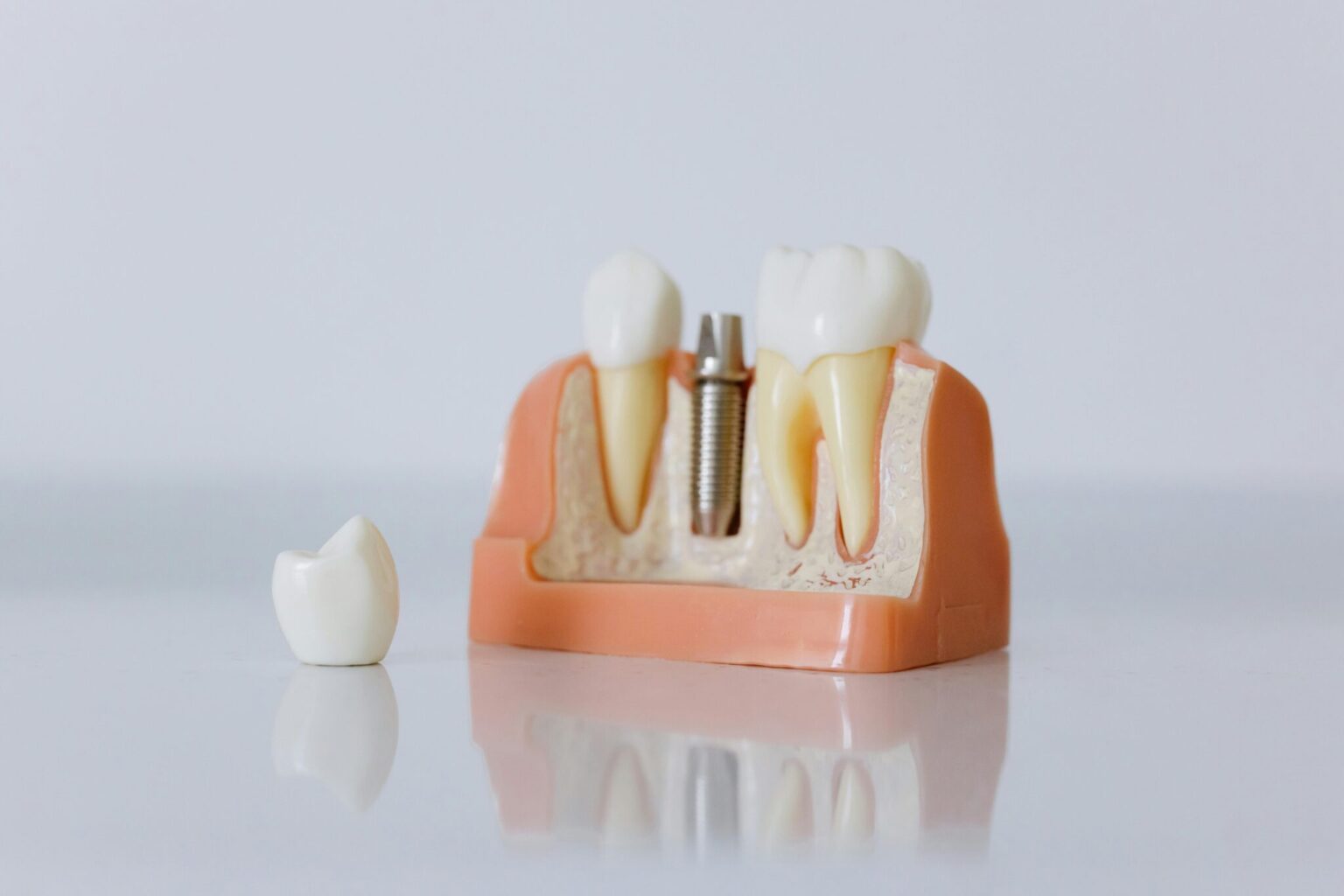
Dental crowns are built to last, but they are not permanent fixtures in the way many patients imagine. A crown can serve beautifully for 10 to 15 years, sometimes much longer, and then begin to show its age. Cement washes out at the margin. Porcelain chips. Metal may start to show near the gumline. The tooth underneath can develop decay. Occasionally the crown itself is fine, but the nerve in the tooth changes, the bite shifts, or the surrounding gum tissue recedes enough to expose a weak edge.
When that happens, the question patients usually ask is simple: how does a dentist actually get the old crown off and put a new one on without damaging the tooth?
The short answer is that removal and replacement is usually controlled, methodical work. It is less dramatic than many people expect, but it does require judgment. The dentist has to decide whether the crown can be lifted off intact, whether it needs to be sectioned into pieces, whether the underlying tooth is still strong enough to support another restoration, and whether a new crown is the right answer at all. Some old crowns come off in minutes. Others turn into detective work.
Why old crowns need to be replaced
Crowns fail for several reasons, and not all of them are visible to the patient. A crown can look acceptable in the mirror and still be leaking at the edge. Tiny gaps between the crown and tooth allow bacteria to work under the margins. That process is slow. A patient may notice nothing until the tooth becomes sensitive, food starts catching, or a routine X-ray reveals decay tucked beneath the crown.
I have seen crowns replaced because of obvious fractures, but more often the problem is less dramatic. A patient comes in saying, “It doesn’t hurt, it just feels different.” That vague description matters. Sometimes the crown has loosened microscopically. Sometimes the bite on that tooth has changed after years of grinding. Sometimes the gum around the crown is persistently inflamed because the margin no longer fits as precisely as it once did.
Appearance matters too. Older porcelain fused to metal crowns often develop a dark line at the gumline, especially if the gums recede over time. Front tooth crowns can become mismatched after nearby natural teeth lighten with whitening treatments or simply change with age. In those cases, replacement is partly functional and partly cosmetic.
Then there are the teeth that have changed underneath the crown. A crowned tooth may later need root canal treatment. If access has to be made through the crown, the opening can sometimes be repaired. In other cases, the crown loses enough strength or esthetics that replacement makes more sense.
The first step is not removal, it is evaluation
Before touching the crown, a careful dentist evaluates what is happening under and around it. That usually includes an exam, X-rays, and bite assessment. The crown itself is only part of the picture. The real question is whether the underlying tooth can support a new restoration and whether the surrounding tissues are healthy enough for a predictable result.
At this stage, several details matter. Is the crown loose or solidly cemented? Is there recurrent decay visible on the radiograph? How much natural tooth structure remains? Is there a post inside the root? Has the tooth had a root canal? Is there tenderness when biting, which might suggest a crack? Does the gum bleed around the margins, which can indicate irritation or leakage?
These details shape the whole appointment. A loose crown with a healthy tooth underneath may be easy to remove and replace. A heavily restored molar with a cast post and deep decay near the bone is a different conversation. In some cases, what sounds like a straightforward crown replacement turns into a discussion about crown lengthening, build-up material, root canal retreatment, or even extraction and implant options.
Patients sometimes feel uneasy when the dentist says, “We may not know the full extent until the crown is off.” That is not hedging. It is honesty. Until the old restoration is removed, some defects remain hidden.
How dentists remove an old crown
There is no single method for crown removal because old crowns vary widely. The approach depends on the material, how strongly it is cemented, and what lies beneath it.
If a crown is already loose, removal may be simple. The dentist may use an instrument that gently rocks or lifts it free. Some crowns dislodge with surprisingly little force once the seal is broken. If the crown is intact and the underlying tooth appears sound, there are situations where a dentist may remove it whole and evaluate whether it can be recemented temporarily or, less commonly, permanently. That tends to happen when a crown has come off because of cement failure rather than crown failure.
A firmly attached crown is different. In many cases, the dentist cuts through the crown with a dental handpiece and a fine bur. Patients Dental Crowns often worry that “cutting off” a crown means cutting into the tooth. Done properly, the cut is controlled and deliberate. The dentist creates a slit through the crown material and then uses a specialized instrument to gently spread or fracture the crown so it releases from the tooth. Think of it less as yanking and more as opening a shell.
Porcelain crowns and zirconia crowns behave differently from metal crowns. Porcelain fused to metal restorations often require sectioning through both layers. All-ceramic crowns can crack once weakened by a cut, which helps removal. Zirconia can be tougher and more time-consuming because of its hardness. Full gold crowns, while less common than they once were, are often easier to section cleanly and are very kind to the underlying tooth during service, which is one reason many dentists still respect them for back teeth.
Local anesthetic is commonly used, even if the tooth has had a root canal. The gum tissue around the crown can be sensitive, and removal tools place pressure on the tooth. A numb tooth makes for a more controlled appointment because the patient is not bracing against discomfort.
What the dentist is looking for once the crown is off
The most important part of the procedure often begins after removal. With the crown gone, the dentist can inspect the tooth directly. This is where hidden decay, cracks, weak build-up material, and old cement become visible.
The tooth is cleaned thoroughly. Any softened decay is removed. Old cement is cleared away. If the remaining tooth structure is sound and sufficient, the dentist may be able to reshape it minimally and proceed with a new impression or digital scan. If the tooth is compromised, more work may be needed before a new crown can be made.
Sometimes the tooth under an old crown is in better shape than expected. Patients love those cases. Other times, the crown was masking major structural loss. I have seen teeth where only a thin ring of natural tooth remained under a bulky old crown. From the outside, everything looked solid. Once uncovered, the risk of fracture was obvious.
A replacement crown lasts only as long as the foundation beneath it. If the core material is loose, if a crack runs into the root, or if decay extends too far below the gumline, making a new crown without addressing those issues would be poor treatment.
Build-ups, posts, and other repairs before the new crown
Many teeth need reinforcement after the old crown comes off. A common solution is a build-up, which is a bonded material used to replace missing tooth structure and recreate a stable shape for the next crown. The build-up does not replace the crown. It supports it.
If the tooth has had root canal treatment and lacks enough internal support, the dentist may place a post into one of the root canals to help retain the core. This does not strengthen the root in the way patients often assume. In fact, posts can introduce stress if used unnecessarily. Their purpose is retention when there is not enough remaining tooth to hold a core by itself. The decision to use one depends on how much sound tooth remains and how the forces on that tooth are distributed.
This part of treatment requires restraint. More aggressive is not always better. A heavily post-reinforced tooth with very little natural structure may still have a poor long-term outlook. The best crown replacement cases are the ones where enough healthy tooth remains above the gumline to create a strong ferrule, meaning a continuous band of tooth structure that the crown can grip. That detail has a major effect on survival.
Taking the shape of the new crown
Once the tooth is ready, the dentist prepares it for the new crown. That means refining the shape so the crown can seat properly, fit at the margin, and handle chewing forces without being too bulky. The exact amount of reduction depends on the material chosen. Porcelain and zirconia need a certain thickness to resist fracture. Metal can be thinner.
After preparation, the dentist captures the shape of the tooth and the surrounding bite. Some offices use conventional impressions with a tray and impression material. Others use an intraoral scanner to create a digital model. Both methods can produce excellent results when done well. The real issue is tissue control and precision at the margin. If the gums are inflamed or bleeding, no scanner or impression material can fully compensate for poor visibility.
A temporary crown is usually placed if the final crown is being made in a dental lab. Temporaries matter more than patients think. A good temporary protects the tooth, preserves gum contour, keeps neighboring teeth from drifting, and gives the patient a preview of shape and function. A bad temporary invites sensitivity and can make the final seating appointment harder.
The waiting period and what can go wrong
Between appointments, patients often assume the difficult part is over. Most of the time, that is true, but this is also when a few practical problems can show up. Temporary crowns can loosen, especially on short teeth or teeth that take heavy bite pressure. The prepared tooth can become temperature-sensitive. Gum tissue can get irritated if the temporary margin is rough or overextended.
Patients help themselves a great deal during this phase by being careful with sticky foods and by cleaning gently but thoroughly around the temporary. Flossing often needs to be done by sliding the floss out the side instead of snapping it back up through the contact, which can dislodge the provisional crown.
When a tooth has been deeply decayed or heavily drilled during the replacement process, there is also a small but real chance that the nerve will not tolerate the stress well. A tooth that seemed healthy before crown replacement can become persistently sensitive afterward and eventually need root canal treatment. That outcome is not common, but it is one reason dentists try to preserve as much natural tooth as possible.
Seating the new crown
The final appointment is where fit becomes visible. The new crown is tried in and checked for several things at once: margin adaptation, contact with adjacent teeth, contour, color if it is in the smile zone, and bite. A crown can look perfect in isolation and still be wrong if it hits too early when the patient bites or if the floss contact is so tight that it shreds.
Dentists make fine adjustments at this stage. Even a lab-made crown produced from an excellent impression often needs minor refinement. Biting paper helps locate high spots. Floss checks the contact. Visual inspection and tactile exploration confirm whether the margins are seated fully. If everything is right, the crown is cemented or bonded, depending on the material and the clinical situation.
Patients often ask whether a bonded crown is “better” than a cemented one. Not necessarily. Different materials have different requirements. Some ceramics gain strength or retention from adhesive bonding. Other crowns perform very well with conventional cement. The choice depends on the restoration type, the tooth preparation, moisture control, and how much retention the tooth already has mechanically.
After the crown is secured, the bite is checked again. This matters because the crown may settle microscopically with cementation, changing the contact pattern. A crown that feels slightly high when the numbness wears off can make the whole tooth feel sore. Fortunately, small bite adjustments are usually quick.
When crown replacement is straightforward, and when it is not
Some cases are pleasantly routine. An old crown with open margins is removed, a healthy tooth is found underneath, the preparation is refreshed, and the new crown goes in with no surprises. Those are the cases patients imagine when they hear “replace a crown.”
Other cases require more caution. A few examples come up often in practice:
- The crown is hiding deep decay that extends below the gumline, which may mean the tooth needs crown lengthening or is no longer restorable.
- The tooth fractures during removal because too little healthy structure remained under the old restoration.
- The underlying tooth has a vertical root crack, which changes the plan from replacement to extraction.
- The old crown comes off with the core attached, revealing that the foundation was failing even though the outer crown looked serviceable.
- The bite has worn down over the years, and replacing one crown without addressing broader grinding forces would set the new restoration up for failure.
These are not rare exceptions. They are part of why experienced dentists avoid making promises before the crown is removed.
Choosing the material for the replacement crown
Not every replacement crown should be made from the same material. Back teeth under heavy chewing forces often call for different priorities than front teeth. Esthetics, durability, available space, bite pattern, and how much natural tooth remains all matter.
Full gold remains one of the most durable options for certain molars, especially where appearance is not a concern. It wears kindly against opposing teeth and can work with conservative tooth reduction. Porcelain fused to metal crowns are still useful in selected situations, though they are less popular than they once were. Monolithic zirconia has become a common choice for posterior teeth because it is strong and can be made relatively thin, but strength does not make it ideal for every case. In the front of the mouth, layered ceramics may provide a more lifelike result when translucency and color blending matter.
A good material poorly chosen will disappoint. So will an excellent material placed on a weak foundation.
What patients usually feel during and after the procedure
The procedure is often easier on the patient than expected. With local anesthetic, crown removal and tooth preparation are generally comfortable. The noise and vibration are more noticeable than pain. Pressure can be felt when a crown is loosened or sectioned, but it tends to be brief.
Afterward, it is normal to have some gum soreness, especially if the margins extend near the gumline or retraction techniques were used during the impression stage. A tooth with a live nerve may feel mildly sensitive to cold for a few days, sometimes longer if the preparation was deep. Chewing tenderness should improve, not worsen, as the bite settles.
There are a few signs that deserve a call back to the office. Those include persistent throbbing pain, inability to chew without sharp discomfort, a crown that feels clearly high, a temporary that falls off, or gum swelling around the tooth. Most post-treatment issues are manageable, but early adjustment is easier than waiting until the tooth becomes inflamed.
How long the new crown is likely to last
Patients always ask for a number, and the honest answer is that longevity depends on more than the crown itself. A well-made crown on a sound tooth in a stable bite can last many years. I usually think in broad ranges rather than promises. Ten years is common. Fifteen is realistic in many cases. Some last much longer. Others fail sooner because the tooth decays at the margin, the patient clenches heavily, oral hygiene is poor, or the restoration was placed on a structurally compromised tooth to begin with.
The replacement cycle also matters. Every time a crown is remade, a little more tooth structure is often lost. That is one reason dentists do not replace crowns casually. If a crown is functional, well-sealed, and healthy at the margins, age alone is not a reason to remove it. Replacement should solve a real problem, not create one.
Dental CrownsHow patients can make the next crown last longer
Most crown failures are not dramatic material failures. They are biologic failures around the crown. Decay at the margin is still the enemy. So is uncontrolled grinding.
A patient with excellent home care and regular professional maintenance will usually get more life out of Dental Crowns than a patient who assumes the crown itself cannot decay. The crown material does not decay, but the tooth at the edge of it certainly can. The margin is the weak point, and it deserves special attention with brushing and flossing.
For patients who clench or grind, a night guard can be worth far more than the crown fee in the long run. I have seen beautifully made crowns chip or loosen within a few years in patients with powerful parafunctional habits. I have also seen modest-looking crowns outlast expectations because the patient kept the bite protected and the margins clean.
The real goal is not just replacing the crown, it is preserving the tooth
That distinction matters. Removing and replacing an old crown is not simply a matter of swapping one cap for another. It is restorative triage, preventive care, and engineering at the same time. The dentist is evaluating whether the tooth can be preserved predictably, then building the conditions for that tooth to function for years with comfort and stability.
When the process is done well, the final result looks uneventful. The new crown feels normal. The bite works. The gum settles down. The patient forgets about the tooth. Quiet success is the mark of good crown dentistry.
And that is the reassuring part for patients facing the procedure. Most crown replacements are not emergencies, and they are rarely theatrical. They are careful, technical appointments shaped by what the old crown reveals once it is gone. The better the diagnosis, the cleaner the removal, and the stronger the underlying tooth, the better the new crown will serve.
Omni Dental Specialty
1690 E Gonzales Rd, Oxnard, CA 93036, United States
+1 805-410-9603
FAQ About Dental Crowns
How long do crowns last on teeth?
A dental crown often lasts about five to fifteen years, although some last longer. Material, the underlying tooth, oral hygiene and grinding habits affect longevity. Regular dental examinations help identify wear, decay or a loose crown; no lifespan is guaranteed.
How much does a tooth crown cost?
There is no single price for every crown. Material, laboratory work, the condition of the tooth and any additional treatment affect the fee. Ask for a written estimate and confirm your insurance benefits, exclusions and out-of-pocket costs before treatment.
What is the downside of crowns on teeth?
A conventional crown usually requires irreversible removal of some tooth structure. Possible problems include sensitivity, chipping, loosening and decay at the crown margin; some teeth later need root canal treatment. Discuss your tooth's condition, material choices and suitable alternatives with your dentist.